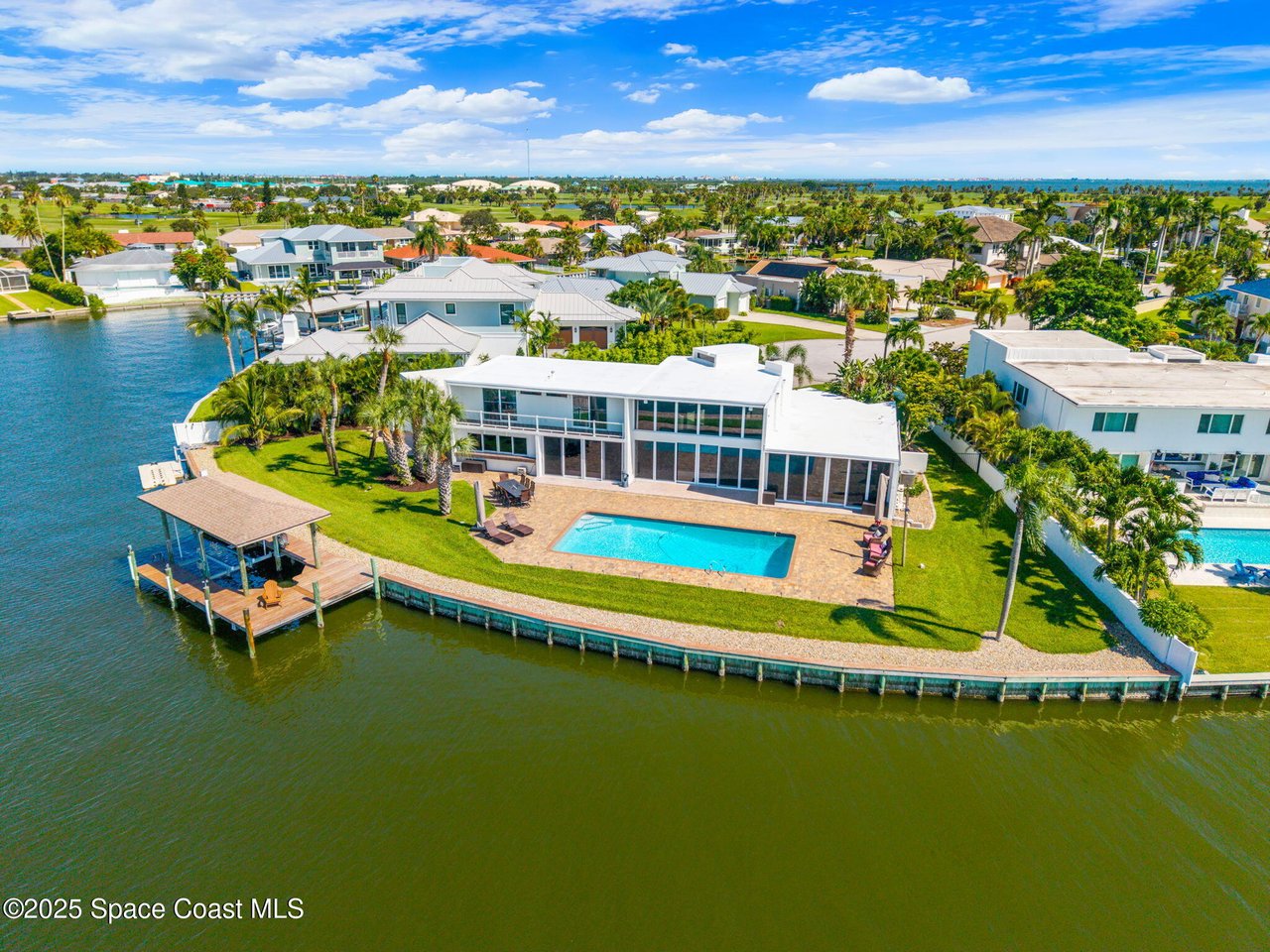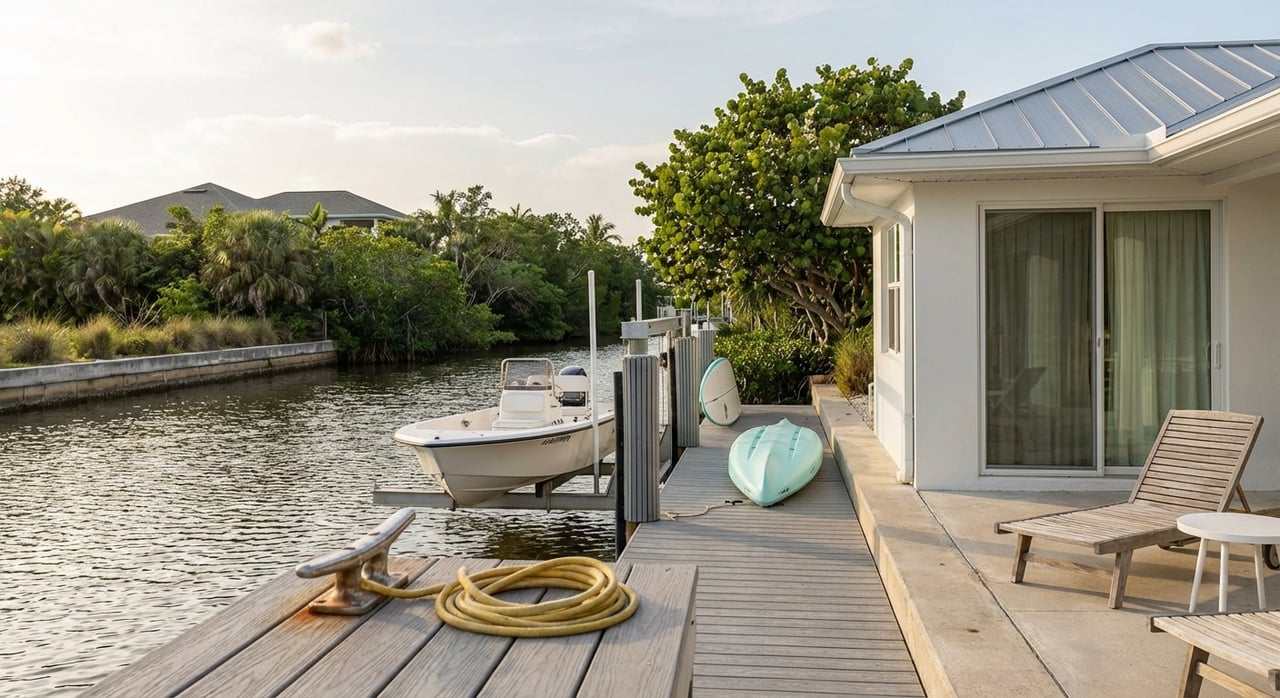
Picture this: you unlock your Cocoa Beach condo, walk to the sand in minutes, and let the ocean set your schedule. If you are buying from out of state, the path to that lifestyle can feel complex. You face HOA rules, new Florida safety laws, insurance realities, and city rental permits to sort out. This guide breaks it all down so you can buy with clarity, avoid surprises, and protect your investment. Let’s dive in.
Cocoa Beach condo basics
Cocoa Beach condos offer “lock and leave” ease, water views, and access to dining and the pier. Your monthly HOA fee helps maintain that lifestyle. It typically covers exterior upkeep, common-area utilities, pools and grounds, pest control, management, association insurance, and reserves.
Costs vary based on building age, location, and amenities. Oceanfront buildings and communities with pools, gyms, elevators, or docks often have higher fees. Instead of relying on a market-wide average, review the budget and fee breakdown for the specific building you are considering.
What your HOA fee usually covers
- Building exterior and roof maintenance
- Elevators, pools, grounds, and common utilities
- Professional management and reserves
- Association property and liability insurance on common elements
Oceanfront cost drivers to watch
Coastal exposure, concrete restoration, parking scarcity, and older construction can raise costs. These factors also influence reserve needs and special assessment risk. Review recent budgets and board minutes to understand the building’s actual expenses.
Safety rules: milestone inspections and SIRS
After the Surfside tragedy, Florida adopted new safety laws for many condo buildings. For condominium or cooperative buildings with three or more habitable stories, the state requires periodic milestone structural inspections. The first inspection generally occurs at 30 years, and local governments can require it earlier at 25 years in coastal areas. Associations must also complete a Structural Integrity Reserve Study (SIRS) for qualifying buildings and keep those reports as official records available to buyers. You can learn more in the state’s condo division FAQs.
A SIRS evaluates major components by visual inspection and reports estimated remaining useful life and replacement cost. Typical items include the structure and load-bearing members, roofs, fire systems, plumbing, electrical, waterproofing, and exterior windows and doors. These reports directly affect reserve funding plans and the risk of future special assessments. Ask for copies of the most recent milestone inspection and SIRS, plus any board-approved plan to address findings. For details on SIRS and milestones, review the Division of Florida Condominiums’ guidance in the state’s FAQs at the Division of Florida Condominiums, Timeshares & Mobile Homes.
- Reference: See the Division’s overview of milestone inspections and SIRS in the state’s condo FAQs: Florida DBPR condo FAQs.
Association insurance and your coverage
Florida law requires condominium associations to carry adequate property and casualty insurance for association property. The coverage amount must be based on an independent insurance appraisal updated at least once every 36 months. This rule influences association premiums, deductibles, and what owners should carry personally. You can read the insurance statute at Florida Statutes 718.111.
Master policies vary. Some are “bare walls in” or “studs out,” which generally insure common elements but leave interior finishes to the owner. Others are broader “walls in” or “single entity” coverage. The association’s master policy typically does not cover your personal property, upgraded finishes, or loss of use. Review the declarations page of the master policy and confirm the policy type. For a plain-language overview of common master policy types, see this Florida-focused explainer on condo association insurance: master policy types explained.
As a buyer, budget for an HO-6 policy for your unit and consider loss assessment coverage. Ask the association for its master policy declarations and the independent appraisal that sets coverage limits, as required by statute every 36 months.
Estoppels and official records you should see
Florida requires associations to provide an estoppel, sometimes called a resale certificate, within 10 business days of a written request. Title companies rely on this to confirm assessments due, special assessments, fees, and other key items. The law caps certain fees and sets clear content requirements. Build this into your timeline so closing is not delayed. You can view the state’s estoppel timing and content rules in the Florida Senate legislation summary.
Associations must also maintain official records and generally make them available to owners or authorized representatives within 10 business days. As a buyer, you or your agent can review minutes, budgets, insurance, contracts, and SIRS documents. Look for special assessments, capital projects, insurance changes, and any building-wide issues. You can read the official records framework in Florida Statutes Chapter 718.
Key items to request during due diligence:
- Estoppel/resale certificate with current and special assessment details
- Governing documents and all recorded amendments
- Minutes for the last 12 to 24 months and any board votes on assessments
- Current budget and last two to three years of budgets
- Most recent reserve study and SIRS or milestone inspection report
- Master insurance declarations and the 36-month independent insurance appraisal
- List of pending litigation or claims
- Parking, storage, and any boat slip details
Rental rules and Cocoa Beach permits
If you plan to rent your unit, confirm rules at two levels. First, your condo association’s declaration and rules may limit or ban short-term rentals. Florida law includes protections related to how rental restrictions can be adopted and applied, but associations can still set valid limits if properly adopted. Always inspect the recorded documents and amendments for the building you are buying.
Second, the City of Cocoa Beach requires vacation rental registration, annual renewal, and inspections. The city also enforces occupancy, parking, noise, and life-safety posting requirements. You must set up state sales tax and the Brevard County Tourist Development Tax for transient rentals. Review the city’s current guidance and forms on the Vacation Rental Registration page.
Where city and building rules intersect, private condo rules can be stricter than city standards. Confirm whether the association allows short-term rentals, whether any units are grandfathered, and whether the unit has an active city registration. Plan for a 24/7 local contact, which the city requires for compliance.
Flood, wind, and true insurance costs
Flood and wind risk drive ownership costs on the coast. Lenders may require flood insurance based on the property’s flood zone. Even when not required, you may still want coverage. Start by checking the exact address in FEMA’s Flood Map Service Center and request any existing elevation certificate. Budget for hurricane and wind deductibles that may be higher than you expect in coastal Florida.
Line up HO-6 and flood quotes early in your contract period. Review the association’s master policy and deductibles to understand potential out-of-pocket obligations after a storm. If the association has experienced major premium increases, ask how that affected reserves and assessments.
Red flags and smart questions to ask
Watch for these red flags during due diligence:
- Low or zero reserves for major components like roofs or waterproofing
- Missing, overdue, or unfavorable SIRS or milestone inspection results for buildings with three or more stories
- Escalating insurance premiums or very large windstorm deductibles
- Pending litigation, especially involving structure or building-wide systems
- Association nonresponsiveness to records requests or delayed estoppels
Here are concise questions to ask the association or management:
- When was the building’s certificate of occupancy issued, and has the initial milestone inspection or SIRS been completed? If so, may we review the full report and any board action items? See the state’s condo FAQs for SIRS and milestones.
- Please provide the last three years of budgets, current reserve balances, and the most recent reserve study or SIRS.
- May we see the master insurance declarations and the independent appraisal used to set limits? What type of master policy is in place?
- Are short-term rentals permitted by the association, and if so, does the unit have current city registration and tax accounts? Review the city’s rental registration steps.
- Are any special assessments or lawsuits pending? Share notices and meeting minutes related to those items. For statutory background on assessments and liens, see Florida Statutes Chapter 718.
Timeline and out-of-state workflow
A clear plan keeps your purchase on track, even from afar. Start by hiring a local buyer’s agent who knows Cocoa Beach condos, city rental rules, insurance norms, and building histories. Your agent can coordinate virtual showings, gather documents, and connect you with local vendors.
Use this simple checklist to organize next steps:
- Order title and request the association estoppel. Allow 10 business days for the estoppel. See Florida’s timing rules in the Senate amendment summary.
- Request official records at the same time. Ask for minutes, budgets, master insurance declarations, and the most recent SIRS or milestone report. Associations generally must provide access to official records within 10 business days. Review the records framework in Chapter 718.
- Check FEMA flood maps and get early HO-6 and flood quotes. Start at FEMA’s Flood Map Service Center.
- Confirm rental eligibility at three levels: association documents, City of Cocoa Beach registration and inspection requirements, and lender or insurance constraints. See the city’s Vacation Rental Registration.
- For buildings with three or more stories or for older properties, obtain the SIRS and milestone inspection and request any plan to fund or complete repairs. Explore the state’s SIRS and milestone overview in the DBPR condo FAQs.
- If you plan to short-term rent, line up a local property manager to serve as the 24/7 contact and to handle compliance, turnovers, and maintenance.
Your next step in Cocoa Beach
Buying a condo here should feel exciting and well guided. With the right plan, you can understand the rules, verify the building’s health, and secure the coverage you need. If you want local help that is responsive, practical, and comfortable working with out-of-state buyers, we are ready to be your on-the-ground team. Connect with the Beach Life 321 Team for step-by-step guidance, document reviews, and a clear path to closing.
FAQs
What is a milestone inspection for Cocoa Beach condos?
- It is a state-required structural inspection for condominium or cooperative buildings with three or more habitable stories, generally first due at 30 years, with the option for local governments to require it at 25 years in coastal areas.
What is a Structural Integrity Reserve Study (SIRS) and why does it matter?
- A SIRS visually evaluates major building components, estimates remaining useful life and replacement costs, and informs required reserve funding, which helps you gauge the risk of future special assessments.
How long does a Florida condo estoppel take to receive?
- Associations must issue the estoppel within 10 business days of a written request, and title companies rely on it to confirm assessments and fees before closing.
Can I do short-term rentals in a Cocoa Beach condo?
- Only if your association allows it and you comply with the City of Cocoa Beach’s vacation rental registration, inspections, and applicable state and county taxes.
What insurance do I need as a Cocoa Beach condo owner?
- Most owners carry an HO-6 policy and consider loss assessment coverage, while the association maintains a master policy based on an independent appraisal every 36 months; confirm your building’s policy type and deductibles.
How do flood zones affect a Cocoa Beach condo purchase?
- Flood zones influence lender requirements and premium costs; check the address in FEMA’s Flood Map Service Center and obtain flood quotes early to set a realistic budget.