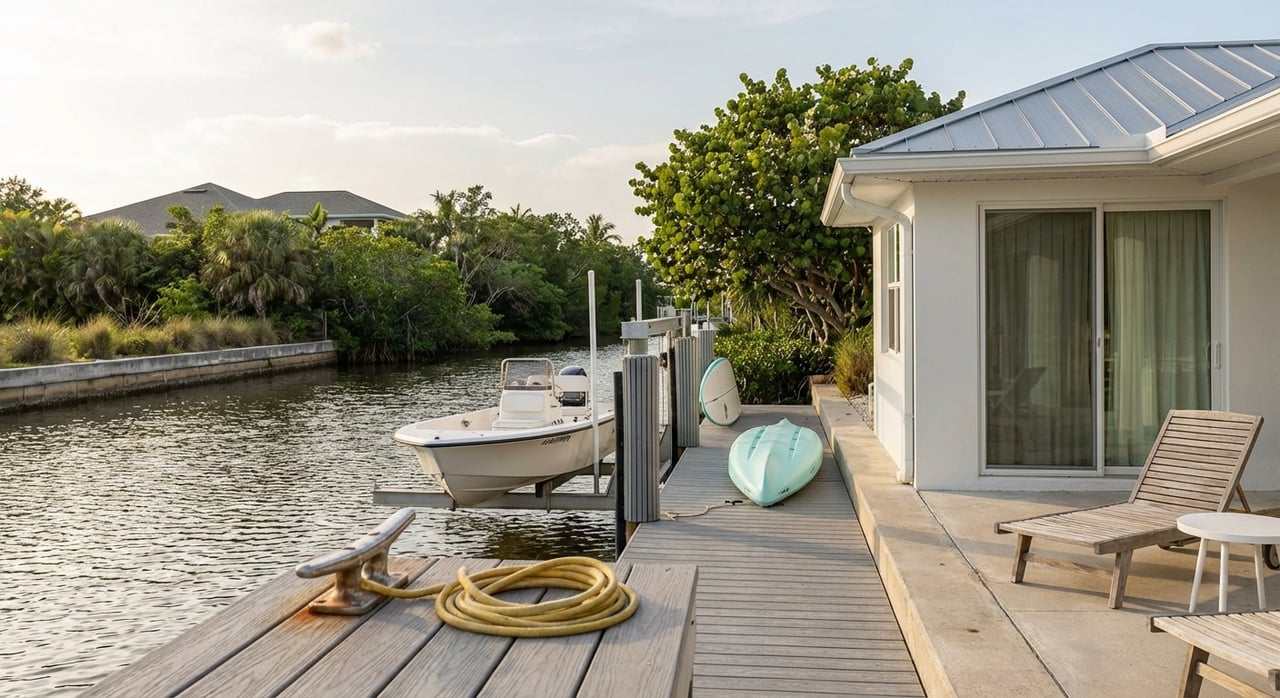
Imagine stepping onto your back deck with a cup of coffee while the Banana River shimmers and a heron lifts off the mangroves. On launch days, neighbors gather on docks and causeways to watch the sky light up. After sunset in summer, the lagoon can glow with bioluminescence as your paddle traces neon-blue ripples. If you are dreaming of a life shaped by the water, this guide shows how Merritt Island’s waterways fit into everyday routines, where locals launch, and what to know before you buy near the shore. Let’s dive in.
Where water shapes daily life
Merritt Island sits between the Indian River and the Banana River, both part of the Indian River Lagoon estuary. These shallow, brackish waters flow among mangroves and seagrass, with narrow channels that reward you for learning local tides and routes. The north end touches protected lands where wildlife viewing, paddling, and fishing feel close to home.
The island’s rhythms link directly to public ramps, small marinas, and nearby preserves. You can launch a kayak after work, run a skiff at first light, or idle to a dockside lunch. The mix of parks and protected areas, including the Merritt Island National Wildlife Refuge, gives you places to reset and reconnect with the water throughout the week. For refuge activities and access, explore the official page for Merritt Island National Wildlife Refuge.
Morning to night on the water
Sunrise on the flats
Early mornings pull anglers to shallow grass flats where sight fishing is king. Guides in the Mosquito Lagoon and Indian River target redfish, speckled trout, and black drum with light tackle and quiet approaches. To get a feel for the species and tactics that shape these dawn missions, review this Mosquito Lagoon fishing overview.
Midday marina moments
By lunch, you might tie up at a local marina for a sandwich and a cold drink or meet friends who keep their boat in dry storage. Harbortown Marina in nearby Port Canaveral and Marker 24 Marina on the Banana River are part of the local picture of slips, fuel, and friendly dock talk. Many residents enjoy the social side of a neighborhood marina, even if they do not live on the water.
You also have options if you do not own a boat. Locals often use rentals or join boat clubs that handle storage and maintenance so you can show up and go. It is an easy way to enjoy a Saturday on the river without the overhead of ownership.
Golden hour paddles
After work, the breeze drops and the lagoon takes on a mirror finish. Kelly Park East is a favorite spot for quick access to the Banana River. The park offers a multi-lane boat ramp, a sandy area used by windsurfers, and space for kayaks and paddleboards. Check amenities and launch details on the county’s page for Kelly Park East.
After-dark glow
Summer nights can bring a signature Space Coast experience. When conditions line up, paddles and fish wake leave bright blue trails under your boat. Local operators run guided tours and share tips on timing, moon phase, and calm-water windows. If you want to plan a glow paddle, browse a local tour operator such as BK Adventure for current trip options and guidance.
Launch viewing by water
Launches from Cape Canaveral and Kennedy Space Center are part of everyday life here. On launch days, you will see people gather on causeways, at waterfront parks, and on boats to watch the sky. For official viewing locations, timing, and safety notes, see the Kennedy Space Center launch viewing guidance. Give yourself extra time on the roads and expect some ramp and park restrictions depending on the mission.
Public launches and navigation hubs
Haulover Canal and the north shore
At the island’s north end, the Haulover Canal connects the Indian River and Mosquito Lagoon. It is a key shortcut for small boats and a popular area for anglers and kayakers. Common launch points include Beacon 42, Bio Lab, and Bairs Cove, each with different access patterns. For ramp specifics and what to expect, review this overview of Beacon 42 and nearby boat launches. The surrounding waters fall within the refuge and the wider Mosquito Lagoon Aquatic Preserve, so slow speeds, shallow-draft awareness, and respect for wildlife are part of the routine.
Island parks for everyday access
Closer to home, Kelly Park East anchors casual weekday paddles, quick fishing trips, and weekend family launches. It is a spot where you will find early windsurfers, after-work kayakers, and plenty of sunset watchers. When you need a short break on the water, it makes everyday minutes feel like a mini vacation.
Ecology you live with
You are living alongside one of North America’s most important estuary systems. The Indian River Lagoon supports rich wildlife but has faced stress from nutrient inputs and seagrass loss in recent years. Restoration groups and agencies are investing in seagrass, oysters, and shoreline projects to help the lagoon recover. For a snapshot of recent work and funding, check the Indian River Lagoon program’s update on regional restoration projects.
Wildlife is part of your daily view. You will likely see dolphins, manatees, and shorebirds from docks and causeways. Seasonal slow and no-wake zones protect manatees and are enforced. Before you cast off, review Florida’s rules for education cards, safety gear, and local operating requirements on the FWC boating regulations page.
Practical living and buyer tips
Do you need a boat?
Not at all. Many residents enjoy water views, marina restaurants, and paddle outings without owning a boat. Public ramps, rentals, and clubs make it easy to get on the water occasionally.
Before you buy a waterfront lot
Use this quick checklist to plan a smooth purchase:
- Check FEMA flood maps for the address and talk with your lender and insurance agent about flood insurance and elevation certificates. Start with FEMA’s overview of flood zone basics.
- Ask about dock, lift, or seawall plans early. Many shoreline projects require environmental review and permits. Learn why these permits matter in this guide to dock and shoreline permitting.
- Understand potential federal and state reviews. In Florida, over-water work may involve the Florida Department of Environmental Protection and the U.S. Army Corps of Engineers.
- Walk the shoreline at low and mid-tide. Look for seagrass, shallow flats, and channels that affect access.
- Call nearby marinas about slip availability or wait lists if your property will not have a private dock.
Safety on the water
If you were born on or after January 1, 1988, you need a boating education ID to operate a motorboat of 10 horsepower or more in Florida. Personal watercraft rules, age limits, and safety gear requirements also apply. Plan your family days around legal operators, life jackets, and posted speed zones. You can confirm the details on the FWC boating regulations page.
Flood and insurance basics
Much of Merritt Island is low elevation, and many waterfront parcels sit in FEMA Special Flood Hazard Areas. Lenders on federally backed loans typically require flood insurance for properties in these zones. Always verify the specific map panel and elevation for your address, then consult your insurance agent about coverage and costs. FEMA’s training resource on flood zone fundamentals is a helpful starting point.
Everyday tradeoffs to expect
Water clarity and seagrass health can vary by season and year, which affects fishing quality and the look of your shoreline. Seasonal manatee protections also shape how and where you run a boat. On launch days, expect more traffic on the causeways and tighter parking at popular parks and ramps. These are normal tradeoffs that locals plan around to keep the water fun and safe.
Ready to make the waterfront yours?
If you want a life where breakfast overlooks the Banana River and evenings end with a quiet paddle, Merritt Island delivers. We can help you weigh neighborhoods, dock potential, insurance, and daily logistics so your move feels seamless. Reach out to the Beach Life 321 Team to talk through your goals, line up showings, or get a clear plan for selling to move closer to the water.
FAQs
Do you need a boat to enjoy Merritt Island’s waterways?
- No. You can enjoy views, public parks like Kelly Park East, paddle rentals, and marina dining without owning a boat. Rentals and clubs offer easy access when you want time on the water.
When is bioluminescence best near Merritt Island?
- Warm months often bring stronger dinoflagellate glow, with calm, dark nights around the new moon offering the best visibility. Winter can show a different glow from comb jellies.
Where do locals watch rocket launches?
- Locals gather on causeways, waterfront parks, and boats. Expect extra traffic and occasional access restrictions on launch days, and arrive early for a good view.
What permits do I need for a dock or lift?
- Shoreline projects often require state environmental review, and some need federal authorization. Start the conversation early with your agent and contractor so you can plan timelines and costs.
Who can legally operate a boat in Florida?
- Anyone born on or after January 1, 1988, who operates a motorboat of 10 horsepower or more must have a boating education ID. Safety gear and speed-zone rules also apply.
What surprises new waterfront owners the most?
- Variable water clarity and seagrass, seasonal manatee zones, permit steps for shoreline work, and flood insurance requirements. Knowing these ahead of time helps you budget and plan with confidence.