Imagine starting your morning with a beach walk, surfers in the water, and a rocket launch on the horizon. If you’re weighing a move to Cocoa Beach, you want the real picture of day‑to‑day life, from housing and costs to traffic, weather, and community rhythms. In this guide, you’ll learn what it feels like to live here year‑round, what tradeoffs to expect, and practical tips to make your move smoother. Let’s dive in.
Cocoa Beach at a glance
Cocoa Beach is a compact oceanfront city on a barrier island in Brevard County with a resident population in the low ten thousands. It blends a laid‑back surf culture with strong ties to the Space Coast economy. You’ll notice a mix of retirees, seasonal residents, and working professionals, which shapes town rhythms and services. For a quick snapshot, review the U.S. Census QuickFacts for Cocoa Beach.
Daily life and lifestyle
Surf culture you actually live
Surfing is part of the city’s identity, not just a postcard image. You’ll see dawn‑patrol surfers, beginner lessons along mellow sandbars, and casual, beach‑friendly dress almost everywhere. Many small businesses lean into the outdoor lifestyle, from board shops to cafes steps from the sand. If you enjoy being outside, you’ll fit the local routine quickly.
Rocket launches as a routine
On the Space Coast, rocket launches are regular events. Many residents watch from the beach, the pier, or their favorite beachfront spot. On launch days, arrive early and expect heavier traffic and tighter parking near causeways and Port Canaveral. For timing and viewing tips, check the Space Coast rocket launch guide.
Parks, beach access, and your weekends
You’ll rely on a network of parks and public beach access points for everyday fun. Alan Shepard Park, Sidney Fischer Park, and county‑run Lori Wilson Park offer boardwalks, trails, and dog‑friendly spaces. The city maintains many beach entrances with metered or paid parking, and spots can fill fast on weekends and event days. See the city’s beach access details to plan your routine.
Dining, music, and events
Cocoa Beach mixes casual beachfront stops with a few chef‑driven restaurants. Expect live music at the pier or along the main strip, plus monthly downtown gatherings and seasonal traditions. Surfing Santas each December brings a fun, costume‑surf crowd, while Friday‑night events add a lively, walkable feel. The pace is calmer midweek, then buzzier when the weather, waves, or launches line up.
Housing and neighborhoods
What you’ll find
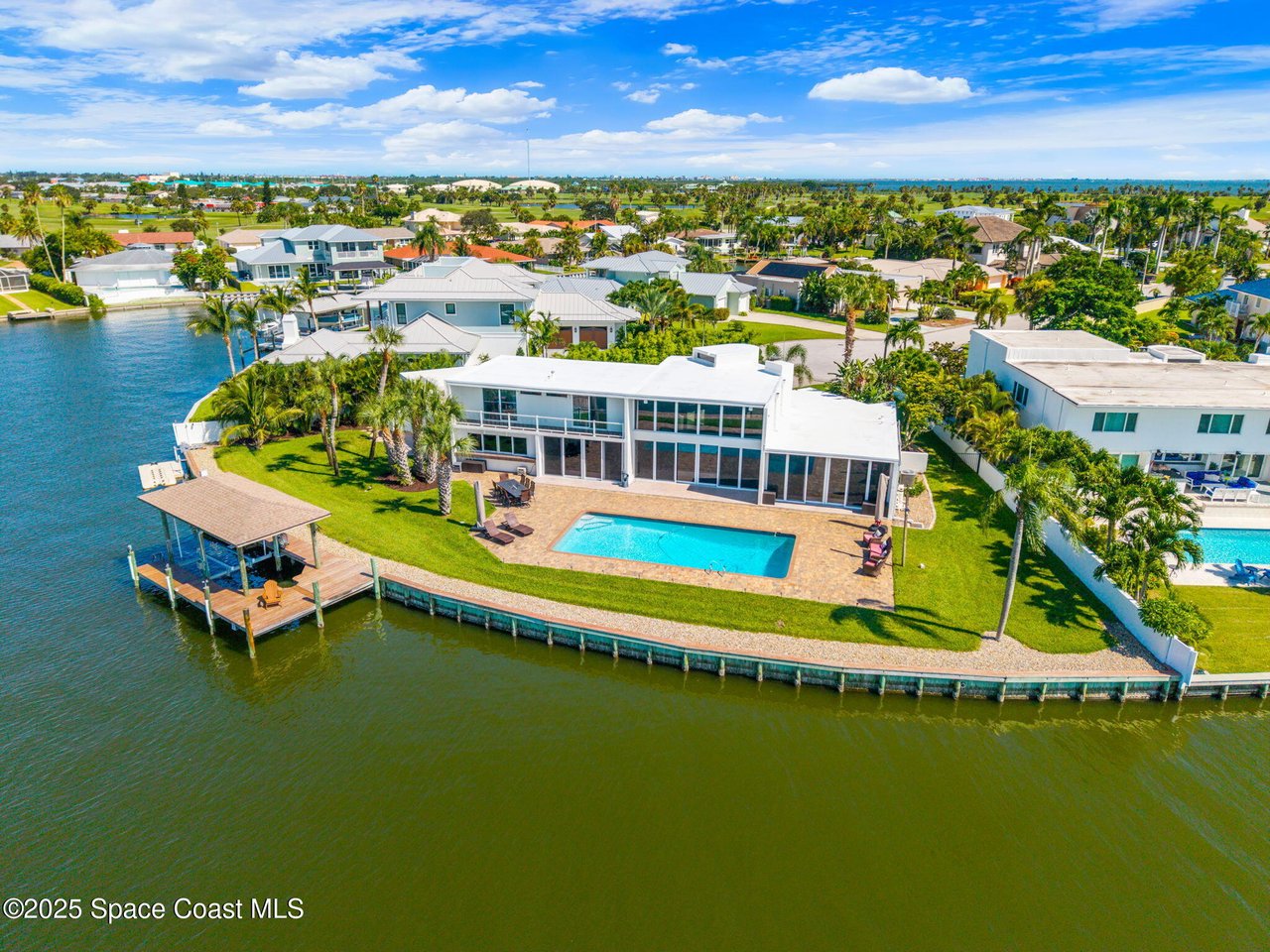
Condos are a big part of the housing mix, especially oceanfront and near‑beach buildings, including many older complexes and smaller units. You’ll also find classic beach cottages, newer single‑family infill, and canal‑front homes along the Banana River. Condo and single‑family markets often move differently, with condos drawing more investors and vacation use. For context on how segments can diverge, see this local market mix discussion.
Prices and rents today
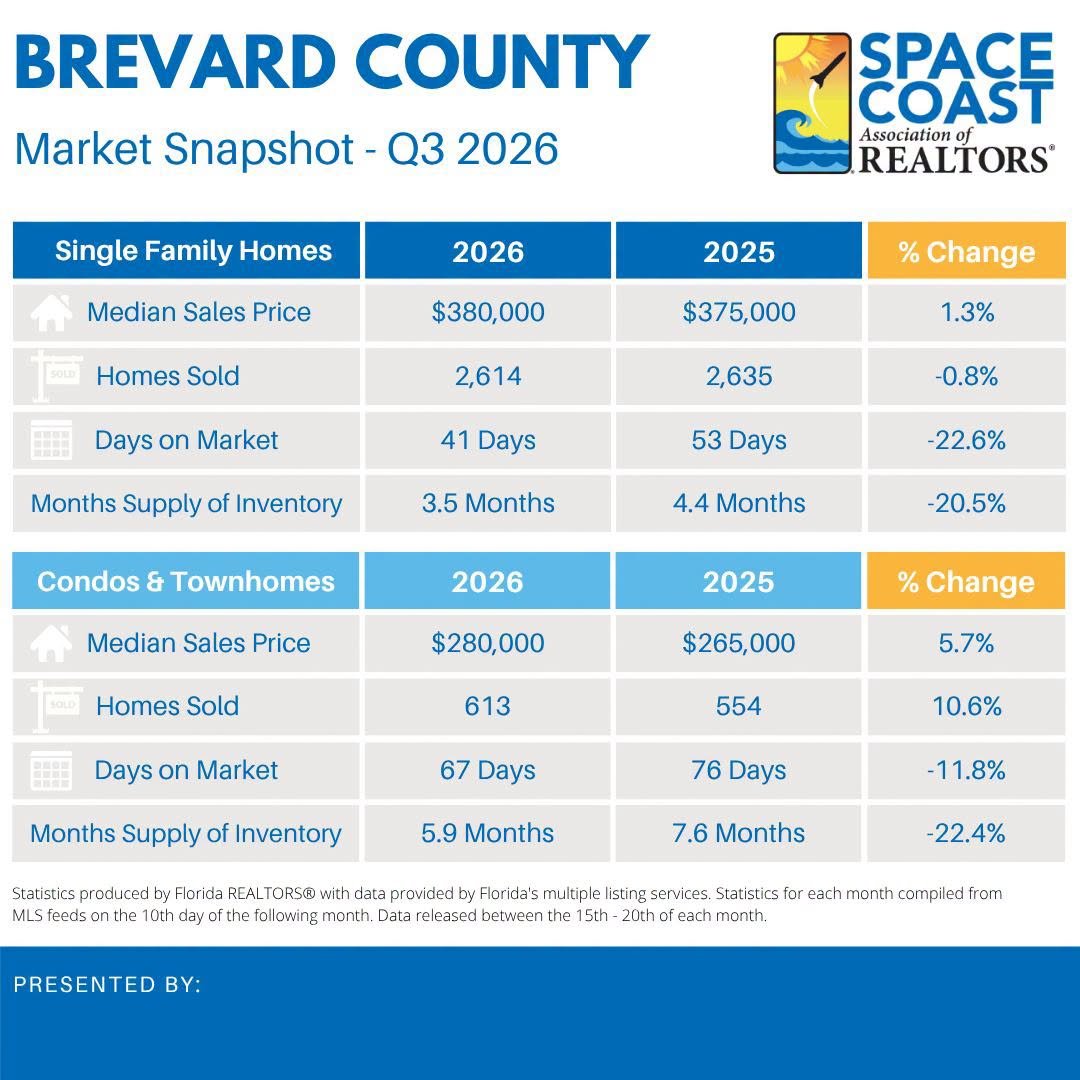
As of January 31, 2026, Zillow lists a typical Cocoa Beach home value around $449,771. Zillow reports a median sale price near $464,667 as of December 31, 2025, and an average asking rent of about $2,475 as of January 31, 2026. Prices change quickly, so ask for current comps when you get serious about a property. Review the latest snapshot on Zillow’s Cocoa Beach market page.
Cost of living
Housing drives most of the cost difference compared with national averages, especially for oceanfront units. Everyday expenses like groceries and services often track closer to or slightly below state averages. A helpful overview is available from BestPlaces’ cost of living page for Cocoa Beach. Your exact costs will depend on your housing choice and insurance needs.
Short‑term rentals and local rules
Cocoa Beach sees strong vacation demand and many short‑term rentals. In 2025, the city adopted a citywide short‑term rental registration program under Ordinance 1695, with updated fees, penalties, and enforcement. The goal is better compliance and less disruption in residential areas, which affects owners, managers, and neighbors. If you plan to rent your property, review the city’s short‑term rental ordinance and disclosures and confirm any condo association rules before you buy.
Getting around
Cocoa Beach sits on the A1A barrier island with causeway access. Daily life is car‑centric, though many locals bike or walk for short trips. Plan for heavier traffic on launch days near the port and causeways. Orlando is roughly an hour or more inland depending on route and traffic, which aligns with guides that track the closest beaches to Orlando’s attractions.
Schools and healthcare
Public K–12 schools are run by Brevard Public Schools. Cocoa Beach Jr./Sr. High School serves grades 7–12 and includes specialized programs such as marine science and career‑technical options; confirm your exact zone with the district. Get school details on the Cocoa Beach Jr./Sr. High page. For healthcare, you’ll find nearby hospitals and medical centers on the Space Coast, including facilities in Rockledge and Melbourne, plus the local Cape Canaveral Hospital for many needs.
Weather, storms, and insurance
Winters are mild. Summers are hot, humid, and rainy. Hurricane season runs from June 1 to November 30, and coastal risk is part of life on a barrier island. When you buy, check FEMA flood‑zone designations, understand local elevation requirements, and budget for wind and flood coverage. Practical upgrades like roof clips, storm shutters, and elevated utilities can reduce risk and may improve insurability.
Pros and tradeoffs
- Pros: Walkable beach lifestyle, surfing and water access, frequent rocket launches, small‑town feel with year‑round amenities.
- Pros: Mix of condos and single‑family options, lively events, and a relaxed, friendly vibe.
- Tradeoffs: Tourist and launch‑day crowds, limited beach parking, and higher property insurance typical of coastal Florida.
- Tradeoffs: Short‑term rental activity in some buildings or blocks, so expect seasonal turnover and confirm HOA rules.
Buyer and renter checklist
- Clarify your beach access routine. Review city parking and access points, and consider a location that matches your habits.
- Confirm HOA and condo specifics. Review budgets, reserves, assessments, and any rental or pet rules.
- Verify short‑term rental viability. Check city registration rules and condo association restrictions before you count on rental income.
- Assess risk and insurance. Map your flood zone, price wind and flood coverage, and factor hurricane shutters or upgrades.
- Get current comps. Request up‑to‑date sales and rent data for your building or block rather than relying on citywide averages.
How we can help
Moving to a beach town should feel exciting, not overwhelming. As a locally embedded Space Coast team, we help you compare buildings and neighborhoods, set realistic insurance and HOA expectations, and understand short‑term rental rules before you buy. For out‑of‑state clients, we offer virtual tours, on‑the‑ground due diligence, and hands‑on coordination with lenders, inspectors, and trusted vendors. Sellers lean on us for prep plans, contractor coordination, and clear timelines that keep your sale moving.
If Cocoa Beach might be your next chapter, let’s talk about your goals and make a plan that fits your timeline. Connect with the Beach Life 321 Team to get started.
FAQs
Is Cocoa Beach livable year‑round or just a vacation spot?
- It’s both. There is a stable year‑round community, but tourism and launch events shape weekends and peak seasons; city services and community events support full‑time living, which you can see in Census QuickFacts.
Can you watch rocket launches from Cocoa Beach?
- Yes. Many residents view launches from public beaches and the pier. Crowds and traffic are heavier on launch days, so arrive early and check the Space Coast launch guide for schedules.
How does the housing mix affect daily life?
- Oceanfront condos draw investors and vacationers, which can mean more seasonal turnover and busier summers. Inland single‑family pockets tend to feel more residential. Updated figures on values and rents are on Zillow’s market page, and city STR rules shape what is allowed.
What should I know about beach parking and access as a resident?
- The city maintains many public beach access points, most with metered or paid parking and limited spaces on busy days. Review locations and details on the Cocoa Beach beach access page and plan around peak times.
What are the main weather and insurance considerations for buyers?
- Expect hot, humid summers and a hurricane season from June 1 to November 30. Budget for wind and flood insurance, verify your FEMA flood zone, and consider features like storm shutters, roof clips, and elevated utilities to manage risk.