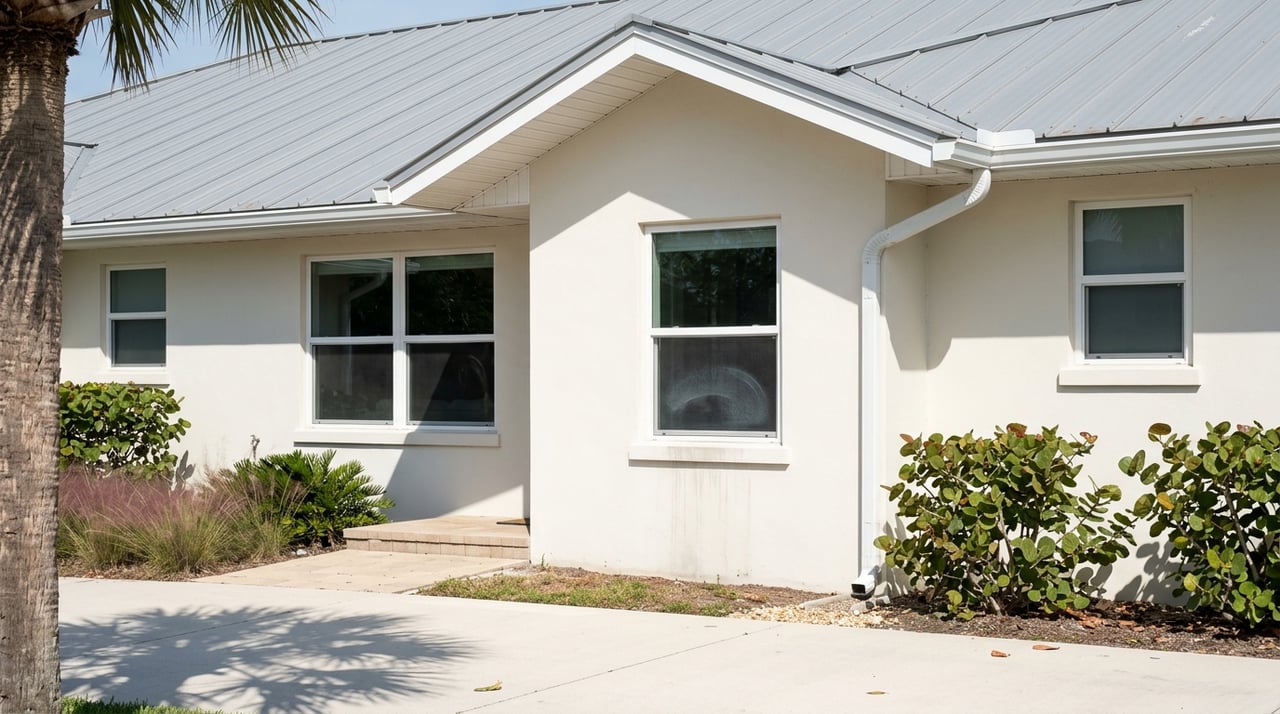
Buying a home on Merritt Island can feel exciting right up until the inspection is on the calendar. If you are wondering what the inspector will actually look at, what the report means, and how coastal conditions can affect the process, you are not alone. The good news is that once you understand the basics, inspections become much less intimidating and much more useful. Let’s dive in.
What a Florida home inspection covers
In Florida, a home inspection is a limited visual examination of a home’s readily accessible systems and components. That usually includes the structure, electrical system, HVAC system, roof covering, plumbing system, interior components, exterior components, and site conditions that affect the structure.
The inspector then provides a written report that identifies items believed to be significantly deficient or near the end of their service lives. The report should also explain why an issue matters when that is not obvious and note any systems or components that were present but not inspected.
That said, the inspection is not a prediction of future conditions. In simple terms, it is best to think of it as a snapshot of the home’s visible condition at that moment, not a guarantee that something will never go wrong later.
What inspections are really for
For most buyers, the inspection serves two main purposes. First, it helps you understand the condition of the home before closing. Second, it gives you a practical tool for repair requests, follow-up inspections, or negotiating next steps.
In Florida homebuyer education materials, inspection findings may influence whether a buyer moves forward with the purchase and can support requests for repairs before closing. Many buyers find it helpful to sort the report into three buckets:
- Urgent issues that need prompt attention
- Repair items worth negotiating
- Typical maintenance items, especially in an older coastal home
This is where clear guidance matters. The inspector identifies the condition issues, and your real estate team helps you understand which findings are serious, which are common, and which may need another expert’s opinion.
Why Merritt Island inspections can look different
Merritt Island’s location shapes the inspection conversation. Brevard County describes Merritt Island as being surrounded by the Indian River Lagoon and separated from the Atlantic Ocean by a barrier peninsula. That setting means many homes deal with the normal effects of coastal exposure, including wind, moisture, drainage concerns, and wear on exterior materials.
Because of that, buyers often pay especially close attention to roofs, windows, doors, exterior finishes, and signs of moisture-related wear. If you are buying near water or looking at an older property, those details may become a bigger part of your due diligence.
Roofs often get extra attention
Roofs are one of the biggest inspection topics in Florida, and for good reason. Florida inspectors must examine visible and readily accessible roof covering systems and components, and buyers, insurers, and sellers all tend to focus on roof condition.
On Merritt Island, roof age and visible wear can affect more than just your maintenance planning. Florida insurance guidance says older homes may trigger a four-point inspection that focuses on the roof, plumbing, electrical wiring, and HVAC.
Roof age alone does not automatically mean you cannot get insurance. Florida law limits an insurer’s ability to refuse a homeowners policy solely because of roof age when an authorized roof inspection shows at least five years of useful life remaining. If a roof is 15 years old or older, the insurer must allow a roof inspection before requiring replacement as a condition of issuing or renewing coverage.
That is helpful context if you fall in love with an older home. A roof may still become part of the negotiation, but age by itself is not always the full story.
Windows, doors, and exterior wear matter
In a coastal market, buyers should expect inspectors to pay attention to visible exterior wear. This often includes things like seals, caulking, trim, sliders, and other exposed components that can show the effects of time and weather.
Florida standards allow inspectors to inspect a representative number of doors and windows. However, they are not required to open or operate windows or doors that are painted shut, mechanically secured, or blocked by stored items.
That means you may not get a full operating test of every single opening in the home. If a feature is especially important to you, such as large sliders, waterfront-facing windows, or storm-related protections, it is smart to review that carefully during your inspection period.
Waterfront features may need separate inspections
This is one of the most important things Merritt Island buyers should know. Standard Florida home inspection rules do not require a home inspector to inspect seawalls, break-walls, boat lifts, docks, swimming pools, or erosion-control and earth-stabilization measures.
If you are buying a canal-front, riverfront, or otherwise waterfront property, those features may need separate specialty inspections or contractor reviews. A general home inspection may give you useful context about the house itself, but it may not answer every question about the shoreline or water-access improvements.
For buyers looking at waterfront homes, this step can be especially important before you finalize your decision. Specialty reviews can help you better understand condition, maintenance needs, and any large expenses that may not appear in the standard home inspection report.
Add-on inspections you may hear about
A general home inspection is often just one part of the due diligence process. Depending on the home, its age, and your insurance needs, you may also hear about additional inspections.
Four-point inspections
A four-point inspection focuses on four major systems:
- Roof
- Plumbing
- Electrical wiring
- Heating and air conditioning
Florida insurance guidance says insurers may ask for this inspection, especially on older homes, and the applicant or insured usually pays for it. This is often more about insurance underwriting than buyer negotiations, but it can still affect your timeline and planning.
Wind mitigation inspections
Wind mitigation inspections document features that reduce hurricane loss. In Florida, this uses a valid Uniform Mitigation Verification Inspection Form, and authorized signers can include licensed home inspectors, building code inspectors, certain contractors, engineers, and architects.
This can be especially relevant on the Space Coast. Florida guidance notes that opening protection improvements, including exterior and garage doors, windows, and skylights, can matter for hurricane-loss mitigation credits.
Wood-destroying organism inspections
If termites or other wood-destroying pests are a concern, buyers often order a separate wood-destroying organism inspection. Florida law says that when this inspection is done for a real estate transaction and a fee is charged or a written report is requested, a report must be provided by a qualified licensee.
That report identifies visible evidence, inaccessible areas, and any visible damage. It is not a guarantee that wood-destroying organisms are absent, but it can be an important part of understanding the property.
Flood insurance is a separate step
A home inspection can reveal visible condition issues, but it does not resolve every insurance question. In Florida, standard homeowners insurance does not include flood damage, and state law requires a prominent flood-insurance disclosure in homeowners policy documents.
For Merritt Island buyers, that makes flood insurance a separate due diligence step. If flood coverage may matter for the property you are considering, it is wise to address that early rather than assume the general inspection will answer it.
What happens after the report
Once the inspection report arrives, many buyers feel a little overwhelmed at first. That is normal. Even well-maintained homes often come with a long list of notes, and not every item deserves the same level of concern.
A practical next step is to review the findings by priority. Focus first on major deficiencies, safety-related concerns, systems near the end of their service life, and items that could affect insurance or future costs.
From there, you can decide what to do next. Depending on the findings, that may include:
- Requesting repairs
- Asking for credits or concessions
- Bringing in a specialist for further review
- Moving forward with a clearer maintenance plan
This is also where local guidance can make a big difference. On Merritt Island, some findings may be common age-related or coastal maintenance issues, while others may deserve stronger follow-up before closing.
What not to expect from the inspector
It helps to go into the process with realistic expectations. In Florida, inspectors are not required to provide repair cost estimates, and the inspection does not guarantee future performance.
Florida also prohibits a home inspector from performing or offering repairs on a home the inspector or company inspected. That rule helps preserve independence, which is good for buyers.
So if your report identifies concerns, the next step is usually to gather the right information and decide how to respond. The inspector’s role is to identify visible issues within the scope of the inspection, not to act as a repair contractor or promise a problem-free future.
How Beach Life 321 Team helps
When you are buying on Merritt Island, inspections are easier to navigate when you have both a solid inspector and a local team helping you interpret the results. The goal is not to panic over every line item. The goal is to understand the home clearly enough to make a smart, confident decision.
At Beach Life 321 Team, we help buyers sort inspection findings into what is urgent, what is negotiable, and what may simply come with owning a coastal Florida home. If you are relocating, buying remotely, or comparing older homes, waterfront homes, or condos, that steady guidance can make the process feel far more manageable.
If you are planning a move on the Space Coast and want practical, local support from start to finish, connect with the Beach Life 321 Team.
FAQs
What does a home inspection include in Merritt Island, Florida?
- In Florida, a home inspection is a limited visual examination of readily accessible systems and components, including the structure, roof covering, plumbing, electrical, HVAC, interior, exterior, and site conditions that affect the structure.
Why do roofs matter so much during a Merritt Island home inspection?
- Roofs often get extra attention because coastal exposure and age-related wear can affect condition, insurance follow-up, and negotiation discussions.
Do waterfront homes on Merritt Island need more than a standard home inspection?
- Yes. Standard Florida home inspection rules do not require inspection of seawalls, docks, boat lifts, break-walls, pools, or erosion-control measures, so separate specialty inspections may be needed.
What is a four-point inspection in Florida?
- A four-point inspection focuses on the roof, plumbing, electrical wiring, and heating and air conditioning systems, and insurers may request it, especially for older homes.
Does a Florida home inspection include flood insurance answers?
- No. Flood insurance is a separate due diligence step because standard homeowners insurance does not include flood damage.
Can a Florida home inspector also fix problems found during the inspection?
- No. Florida prohibits a home inspector from performing or offering repairs on a home the inspector or company inspected.