If you are getting ready to sell your Merritt Island home, here is the reality: buyers have options right now. With 443 homes for sale, a median listing price of $475,000, and a median 67 days on market in spring 2026, this is not a market where you can count on any price or any condition getting snapped up right away. The good news is that with a clear plan, smart prep, and steady guidance, you can make your home stand out and move forward with confidence. Let’s dive in.
Understand the Merritt Island market
Before you pick a list date or start repairs, it helps to understand what kind of market you are stepping into. Merritt Island is currently best described as a balanced market, which means buyers and sellers both have leverage, and strong results usually come from strategy rather than guesswork.
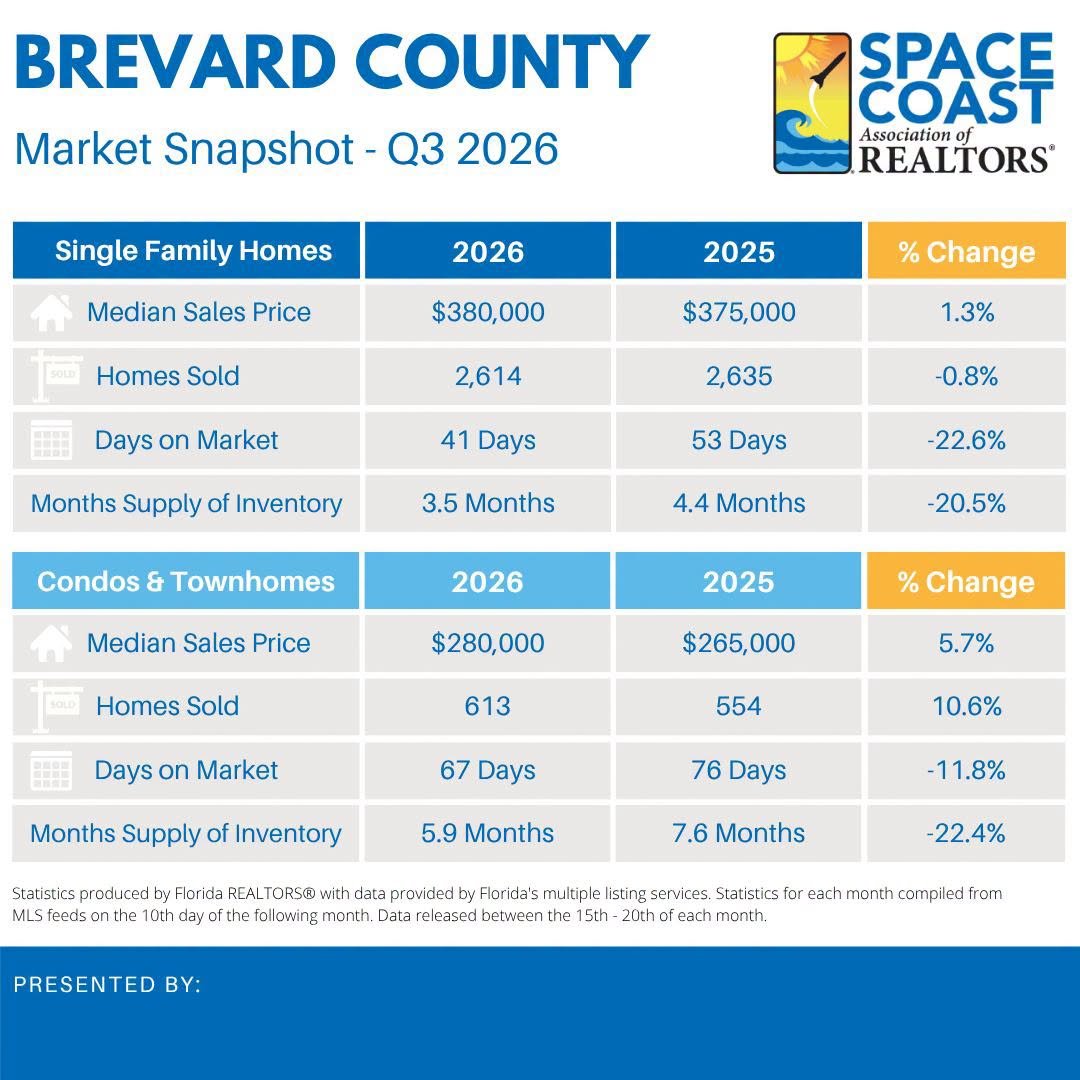
That matters because pricing and presentation carry more weight in a balanced market. In Brevard County, homes sold for about 2.42% below asking on average in March 2026. Florida Realtors also reported 3.7 months of supply for single-family homes in Brevard in April 2026, while townhouses and condos had a looser 7.2 months of supply.
If you are selling a condo or townhome, this is especially important. More inventory usually means more competition, so buyers may compare condition, updates, and value very closely. A step-by-step plan can help you avoid costly delays and weak first impressions.
Step 1: Start with a pre-listing walkthrough
Your first goal is simple: figure out what needs attention before buyers ever walk through the door. A pre-listing walkthrough gives you a practical look at your home’s condition and helps you organize the work into manageable pieces.
A pre-sale inspection is optional, but it can help surface issues in the structure, roof, plumbing, electrical, HVAC, interior, insulation, and other systems before a buyer discovers them. Even if you do not plan to fix everything, getting estimates for significant repairs can help you make better pricing and negotiation decisions.
This step also gives you a chance to pull together important home information. Gather warranties, guarantees, and manuals for systems and appliances that will stay with the home. These documents often come up again during the closing process, so having them ready early can save time later.
Use a simple repair triage
If the prep process feels overwhelming, break it into three buckets:
- Safety and functional repairs
- Cosmetic fixes
- Staging and photo prep
This order keeps you focused on the work that matters most first. It also helps you avoid spending money on decorative updates before taking care of items that could affect a buyer’s comfort or confidence.
Step 2: Handle repairs that support value
You do not need to make every repair before selling. What you do need is a thoughtful plan for what to fix, what to improve, and what to leave as-is.
Start with repairs tied to safety, function, or obvious deferred maintenance. If something is leaking, not working properly, or likely to come up during a buyer inspection, it deserves serious attention. These issues can affect buyer trust and create friction during negotiations.
After that, shift to smaller cosmetic improvements that help your home show better. Fresh paint, minor touch-ups, updated light fixtures, and clean, working hardware can make a noticeable difference without turning your sale prep into a full renovation.
For many Merritt Island sellers, this is where hands-on coordination matters. Having a clear list, vendor estimates, and a realistic timeline can make the process feel much more manageable, especially if you are downsizing, helping a family member, or handling an estate sale.
Step 3: Get the home photo-ready
Online first impressions matter. Most buyers will see your home in photos before they ever decide to book a showing, so your home needs to look clean, bright, and easy to understand at a glance.
A strong photo-ready setup starts with decluttering and deep cleaning. Clean windows, carpets, lighting, and walls can make a home feel more cared for and more spacious. Outside, simple curb appeal updates like fresh landscaping, a tidy front entrance, and touch-up paint can improve your home’s presentation right away.
You also want each room to clearly show its purpose and scale. Remove extra furniture if needed, clear off crowded surfaces, and create walkways that feel open and natural. Buyers are often trying to imagine how they would live in the home, and a simpler layout makes that easier.
Is staging worth it?
In many cases, yes. According to NAR’s 2025 staging report, 83% of buyers’ agents said staging makes it easier for buyers to visualize a property as their future home. About 29% said staging increased dollar value offered by 1% to 10%, and nearly half said it reduced time on market.
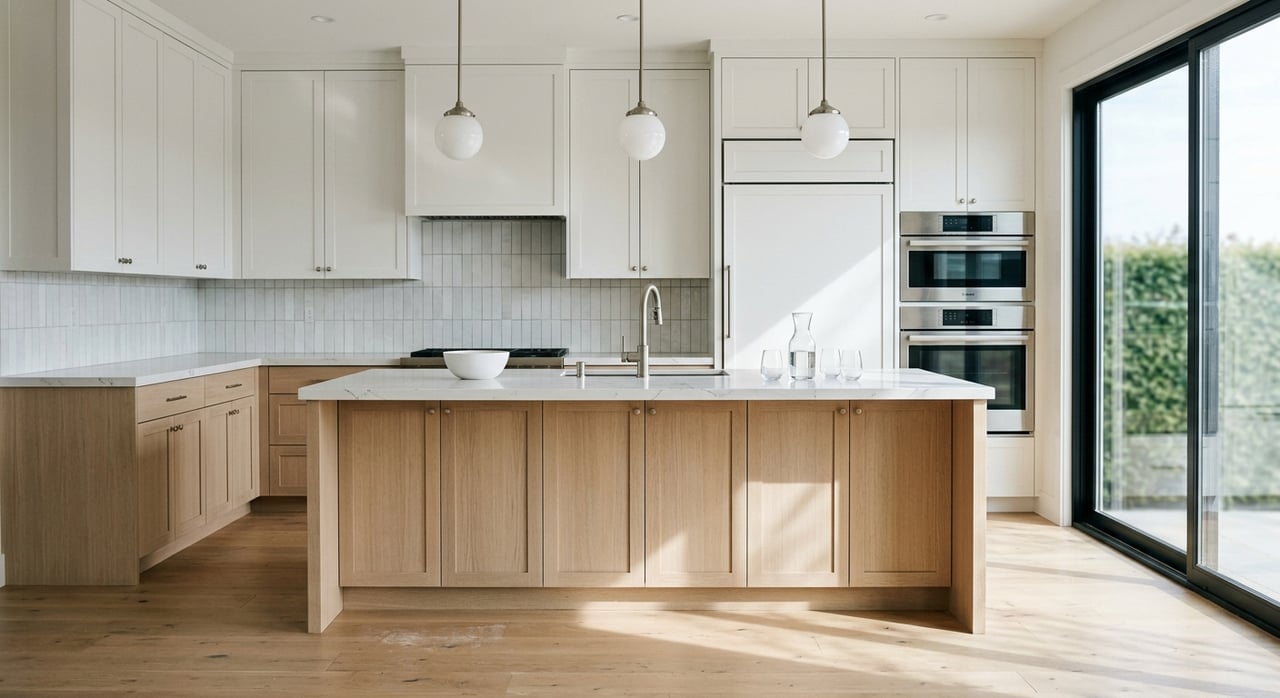
That does not always mean full-service staging. Sometimes partial staging, better furniture placement, or fresh decor in key rooms can make a meaningful impact. In a balanced market like Merritt Island, that visual edge can help your listing stand out.
Step 4: Price for the market you have
Pricing is one of the most important decisions you will make. A realistic launch price can help attract more buyers early, while an overly aggressive price can lead to longer market time and more price reductions later.
This is especially relevant in today’s Merritt Island market. With 67 median days on market and a healthy number of competing listings, many buyers are taking time to compare options. If your home enters the market priced above what buyers see as fair, they may simply move on to the next listing.
A strong pricing strategy should reflect current competition, your home’s condition, and buyer expectations in your specific segment. Single-family homes and condos are not moving under the same supply conditions in Brevard County, so the right pricing approach may look different depending on what you are selling.
Why overpricing can backfire
Overpricing often sounds safe because it leaves room to negotiate, but in practice it can reduce traffic and weaken momentum. The first days and weeks on market are important because that is when your listing is freshest and most visible.
If buyers see a home linger, they may assume something is wrong with it or wait for a price cut. In a market where homes are already selling below asking on average, strategic pricing is usually a better path than testing the market too high.
Step 5: Launch with a full marketing plan
Once the home is ready and the price is set, your listing needs broad, professional exposure. Core marketing tools include MLS exposure, professional photography, signage, social media, and open houses.
MLS exposure is especially important because it generally provides the broadest reach. Professional photos help your home compete online, and social media and signage can support local visibility and awareness. Together, these tools help buyers find your home and decide it is worth seeing in person.
Open houses and private showings also play an important role. They give buyers the chance to experience the layout, ask questions, and notice features that may not fully come across in photos.
Time the first weekend well
When practical, the first open house is often most effective the weekend after the listing goes live. That timing can help build early momentum while your listing is still new. It is also smart to consider competing local events that could affect turnout.
Step 6: Prepare for showings in advance
Showings are easier when you plan for them before the listing goes live. Think through how you will keep the home clean, how quickly you can step out for appointments, and what daily habits will help the home stay ready.
A few simple routines can help:
- Keep counters mostly clear
- Store personal items out of sight
- Open blinds or curtains for natural light
- Make beds each morning
- Have a quick plan for pets, if needed
You do not need perfection. You do need consistency. Buyers often form opinions quickly, and a clean, calm showing experience can support stronger offers.
Step 7: Review offers with a clear strategy
The best offer is not always the highest number. When offers come in, you also want to look at financing strength, inspection terms, timing, requested concessions, and how likely the buyer is to close smoothly.
In a balanced market, negotiation matters. If your home is well-prepared and priced right, you may still have room to negotiate from a position of strength. But if the home has been sitting or needs substantial work, flexibility may become more important.
This is where a step-by-step sale plan pays off again. If you already understand your repair choices, pricing logic, and timeline goals, it is much easier to evaluate offers and respond with confidence.
Step 8: Get disclosures and documents ready early
Closing delays often start long before closing day. In Florida, several disclosures and document packages can affect your timeline, so it is smart to gather what you need early.
Florida now requires a flood disclosure for residential sales at or before contract execution. The disclosure asks whether you have filed flood-related claims or received federal flood assistance, and it reminds buyers that standard homeowners insurance does not cover flood damage.
If your home was built before 1978, federal lead-based paint disclosure rules also apply before most sales. Sellers must disclose any known lead-based paint and lead-based paint hazards before the buyer signs.
HOA and condo documents can slow a sale
If your property is in an HOA, Florida requires a disclosure summary before the buyer signs the contract. If the summary is not provided, the buyer may have the right to void the contract within three days after receiving it or before closing.
For condo resales, the document package is even more detailed. It may include the declaration, bylaws, rules, financial information, FAQ materials, and any applicable milestone or reserve-study items. If these are not delivered on time, the buyer may have statutory voidability rights, so early preparation matters.
Step 9: Know your closing costs and timing
Many sellers focus on price and forget about net proceeds. Before you list, it helps to understand the closing costs and taxes that may affect your bottom line.
In Florida, documentary stamp tax generally applies to deeds and other documents that transfer an interest in real property. Outside Miami-Dade County, the rate is 70 cents per $100 of consideration, and the tax is generally paid at recording.
If you are downsizing but staying in Florida, you may also want to ask about Save Our Homes portability. A qualifying homeowner may be able to transfer that benefit to a new homestead if the deadlines and homestead timing rules are met, including filing the portability forms by March 1.
Step 10: Plan ahead for special situations
Some sales need extra planning from the start. If you are selling as part of an estate, confirm legal authority before listing the property. In Florida, real estate titled solely in a decedent’s name, or as tenants in common, is generally a probate asset unless it is homestead property, and a personal representative may sell estate real property when authorized.
If you are helping a parent downsize or coordinating a move from out of town, build in extra time for decisions, clean-out, vendor scheduling, and paperwork. These transitions are often emotional as well as logistical, so a calm, organized process can make a big difference.
A practical Merritt Island selling checklist
If you want to keep the process simple, use this checklist:
- Review current Merritt Island competition and pricing
- Walk through the home and identify needed repairs
- Gather estimates for larger issues
- Collect warranties, manuals, and home documents
- Declutter, clean, and improve curb appeal
- Stage key rooms or simplify furniture placement
- Set a realistic list price based on current conditions
- Launch with strong photos, MLS exposure, and showings
- Prepare required disclosures early
- Organize HOA or condo documents right away
- Review offers based on both price and terms
- Confirm closing costs, taxes, and next-step timing
Selling your Merritt Island home does not have to feel chaotic. With the right sequence, you can make smart decisions, reduce surprises, and give buyers a reason to feel confident in your home from day one.
If you are thinking about selling and want a clear local plan, the Beach Life 321 Team can help you map out pricing, prep, marketing, and next steps with practical guidance tailored to your home.
FAQs
What is the Merritt Island housing market like for sellers right now?
- Merritt Island is currently considered a balanced market, with 443 homes for sale, a median listing price of $475,000, and a median 67 days on market, so pricing and presentation matter.
Do I need a pre-listing inspection to sell a Merritt Island home?
- No, a pre-sale inspection is optional, but it can help you identify issues early and decide what to repair, what to disclose, and how to price the home.
Is staging worth it when selling a Merritt Island home?
- Often yes. NAR reports that staging helps buyers visualize the home, and many agents say it can improve offers and reduce time on market.
What disclosures are required when selling a home in Florida?
- Depending on the property, sellers may need a flood disclosure, lead-based paint disclosure for homes built before 1978, and HOA or condo-related documents before key contract deadlines.
What usually delays a home sale in Merritt Island, Florida?
- Common delays include late HOA or condo document delivery, missing flood or lead disclosures, and title or closing paperwork that is not organized early.
What should condo sellers in Merritt Island know before listing?
- Condo sellers should know that Brevard County has looser condo and townhome inventory than single-family homes, so strong pricing, clean presentation, and early document prep can be especially important.