Wondering whether a Cocoa Beach property should be your personal escape, your income property, or a little of both? That question sounds simple, but in this market, the answer depends on more than views and walkability. If you are weighing a second home against a short-term rental plan, it helps to understand how Florida and Cocoa Beach rules can shape your options, costs, and day-to-day ownership. Let’s dive in.
Start With Your Real Goal
Before you compare condos to houses or estimate rental income, get clear on how you actually want to use the property. If your top priority is having a place to enjoy on your own schedule, your search may look very different from a property meant to operate as a vacation rental.
In Cocoa Beach, that distinction matters because Florida defines a vacation rental as a condo, co-op, or one- to four-family dwelling that is rented more than three times in a calendar year for stays of fewer than 30 days, or advertised as regularly rented for stays under 30 days. In other words, if you plan to rent often for short stays, you are likely stepping into a more regulated category.
A longer seasonal strategy of 30 days or more may fall outside that vacation-rental definition. Even so, you still need to review taxes, local rules, and any condo or homeowners association restrictions before you buy.
Why Cocoa Beach Is Different
Cocoa Beach blends residential ownership with visitor demand in a way that attracts both second-home buyers and investors. The city charter describes Cocoa Beach as a low-density residential and family-oriented resort community, which helps explain why personal-use buyers and rental-minded buyers are often looking at the same inventory.
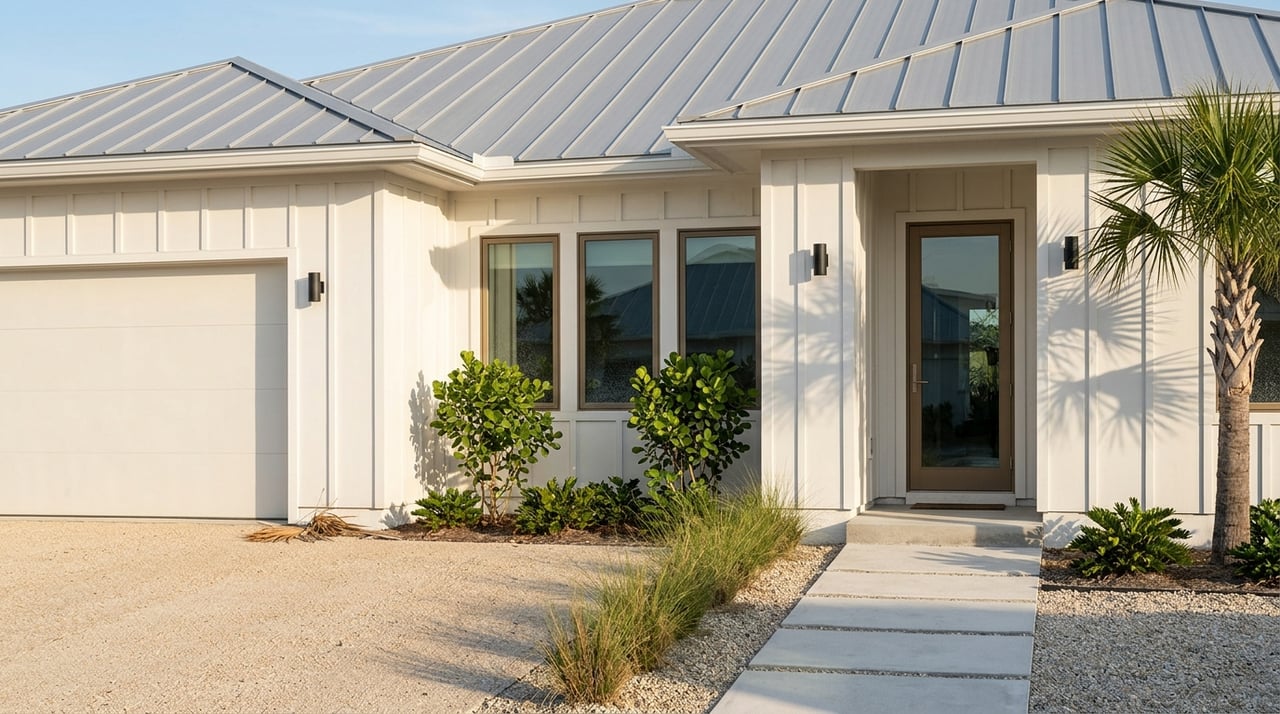
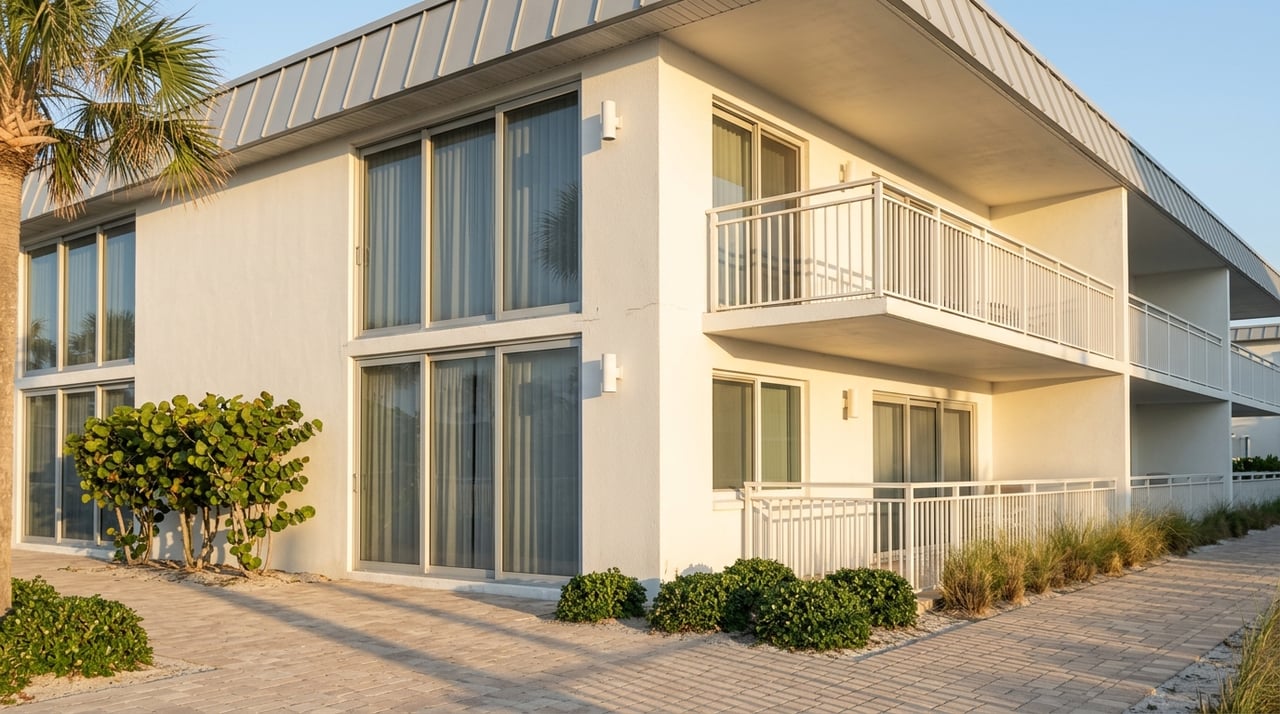
That mix can create opportunity, but it can also create friction if a buyer assumes every beach property can be used the same way. A condo near the ocean may look ideal for a lock-and-leave lifestyle, while a detached home may seem better for guest flexibility. The right fit depends on your goals and the property’s rules.
Compare Vacation Home vs Rental Property
Choose a vacation home if you want:
- More personal flexibility for your own stays
- Less focus on occupancy, turnover, and guest communication
- A property that feels like a retreat first and an investment second
- Simpler decision-making around furnishing, scheduling, and wear and tear
Choose a rental-focused property if you want:
- Income potential tied to short stays or seasonal demand
- A property selected for guest appeal and operational efficiency
- A plan for ongoing management, cleaning, and compliance
- Clear expectations around fees, taxes, and recurring oversight
Choose a hybrid strategy if you want:
- Personal use during part of the year
- Rental income when you are not using the property
- A careful balance between owner enjoyment and business planning
- Extra due diligence on city registration, taxes, and association rules
Cocoa Beach Rules Can Change the Math
If you are considering short-term rentals, local compliance is a major part of the decision. Cocoa Beach requires all vacation rentals to register with the city, and each vacation rental needs its own registration.
The city also has a dedicated vacation-rental ordinance, and city materials show the regulation has been expanded citywide. Local rules may address issues like noise, parking, registration, and signage rather than simply focusing on rental duration or frequency.
That matters because the business model is not just about booking nights. It is also about whether you can operate smoothly within the city’s requirements year after year.
What owners need to plan for
Cocoa Beach materials show that vacation-rental owners may need to prepare:
- Emergency and general property information
- A trash schedule
- Sea turtle materials
- Noise ordinance materials
- Inspections tied to registration
The city also notes that a rental license or inspection is not a guarantee that the unit is code-compliant. That makes pre-purchase due diligence especially important.
Guest management is part of ownership
Cocoa Beach’s lease addendum highlights practical operating rules that affect how hands-on a rental can become. These include maximum occupancy, parking limits, no street or sidewalk parking, outdoor music restrictions between 11:00 PM and 7:00 AM, and compliance with evacuation orders.
For many buyers, this is the turning point in the decision. A vacation home can be relatively simple to enjoy, but a short-term rental often works more like an active hospitality business.
Condos vs Single-Family Homes
Condos often appeal to second-home buyers
Condos are included in Florida’s vacation-rental framework, and they often attract buyers who want a lower-maintenance property in a beach area. For a second-home buyer, that can be a real advantage.
The tradeoff is governance. Condo associations can have strong rules, and Florida law gives associations meaningful enforcement power through governing documents, fines, and suspension of use rights.
Condo due diligence matters more than ever
If you are buying a condo, ask for the association budget, reserve information, any special assessments, the milestone inspection report if applicable, and the status of the structural integrity reserve study. Florida law and DBPR guidance make these records central to the buying process.
For older multi-story condos in particular, these items can affect both monthly costs and future resale. A lower-maintenance lifestyle only works if you understand the real financial picture before closing.
Single-family homes may offer more flexibility
Florida’s vacation-rental definition also includes one- to four-family dwellings, so detached homes, duplexes, triplexes, and similar small residential properties may fit a rental strategy if other rules allow it. That broader property range gives buyers more ways to match the property to their goals.
Compared with condos, a detached home often means more owner responsibility for maintenance, insurance, and guest logistics. At the same time, it may offer more flexibility around parking, outdoor space, and layout.
Taxes and Fees Affect Net Income
If you are buying with rental income in mind, gross income is only part of the story. Florida’s general sales tax is 6% on applicable transient rentals, and counties may impose local transient rental taxes on accommodations rented for six months or less.
In Brevard County, the tourist development tax is 5%. Brevard County also stated in 2025 that tourist tax collection shifted from the tax collector to the clerk of court effective October 1, 2025.
On top of taxes, Cocoa Beach fee materials show separate charges for application and registration, annual renewal, fire and building inspections, re-inspections, late fees, and penalties for operating without registration or for over-occupancy. If you are comparing a personal-use property to a rental property, these recurring costs belong in your decision from day one.
Insurance and Coastal Risk Deserve Attention
In coastal property decisions, insurance should never be an afterthought. Brevard County states that standard homeowners insurance usually does not cover flood losses, and the county maintains FEMA flood maps and address-level wind speed planning tools.
That means you should ask early about flood zone, elevation certificate history, flood insurance, and wind-related building requirements. These factors can affect both ownership cost and the kind of property that feels manageable for you.
Think About Homestead and Personal Use
If your goal is true owner occupancy rather than investment use, ask the Brevard County Property Appraiser about homestead eligibility. The county describes homestead as a deduction for owner-occupied residential property, which generally does not align with pure investment use.
This is another reason your intended use should guide your property search from the start. A home that works well as a personal residence may not be the same property that works best as a short-term rental.
Questions to Ask Before You Buy
A smart Cocoa Beach purchase usually starts with a short list of practical questions:
- Can this property legally be rented for stays under 30 days?
- Does the condo or HOA allow the rental term you want?
- What guest parking is actually available?
- What city registrations, inspections, and fees will recur each year?
- What are the flood insurance and wind-related considerations?
- If it is a condo, what do the reserves and assessments look like?
If you are buying from out of state or trying to compare several properties quickly, these questions can save you time and help you avoid a property that looks good online but does not fit your real plan.
So, Which Option Fits You Best?
If you want a place that feels easy, personal, and low-stress, a true vacation home may be the better fit. If you are comfortable with registration, compliance, taxes, guest rules, and active oversight, a rental property may offer the kind of flexibility and income strategy you want.
For many buyers in Cocoa Beach, the best answer is not the most glamorous property. It is the one that matches your lifestyle, your risk tolerance, and how involved you want to be after closing.
When you are comparing condos, beach homes, or hybrid-use options in Cocoa Beach, the right local guidance can make the decision much clearer. The Beach Life 321 Team helps buyers across the Space Coast evaluate real-world fit, property rules, and coastal ownership details so you can move forward with confidence.
FAQs
What counts as a vacation rental in Cocoa Beach, Florida?
- In Florida, a vacation rental generally includes a condo or one- to four-family dwelling rented more than three times in a calendar year for stays under 30 days, or advertised as regularly rented for stays under 30 days.
Do Cocoa Beach vacation rentals need city registration?
- Yes. Cocoa Beach requires vacation rentals to register with the city, and each vacation rental needs its own registration.
Can a Cocoa Beach condo be used as a short-term rental?
- A condo may qualify under Florida’s vacation-rental rules, but you also need to confirm the condo association’s governing documents, lease restrictions, and compliance requirements.
What taxes apply to a Cocoa Beach rental property?
- Applicable transient rentals may be subject to Florida’s 6% general sales tax, and Brevard County imposes a 5% tourist development tax on accommodations rented for six months or less.
What should buyers review before buying a Cocoa Beach condo?
- Buyers should review the condo budget, reserves, special assessments, milestone inspection report if applicable, and the status of any structural integrity reserve study.
Is a single-family home better than a condo for a Cocoa Beach rental?
- Not always. A single-family home may offer more flexibility in layout, parking, and outdoor space, while a condo may offer a lower-maintenance ownership experience but often comes with stricter association oversight.