Wondering why some Merritt Island waterfront homes sell quickly while others sit, even when both have water behind them? The answer is usually strategy, not luck. If you want to sell a waterfront home on Merritt Island, you need a plan that matches your shoreline type, your boating access, and the details buyers care about most. Let’s dive in.
Know Your Waterfront Type
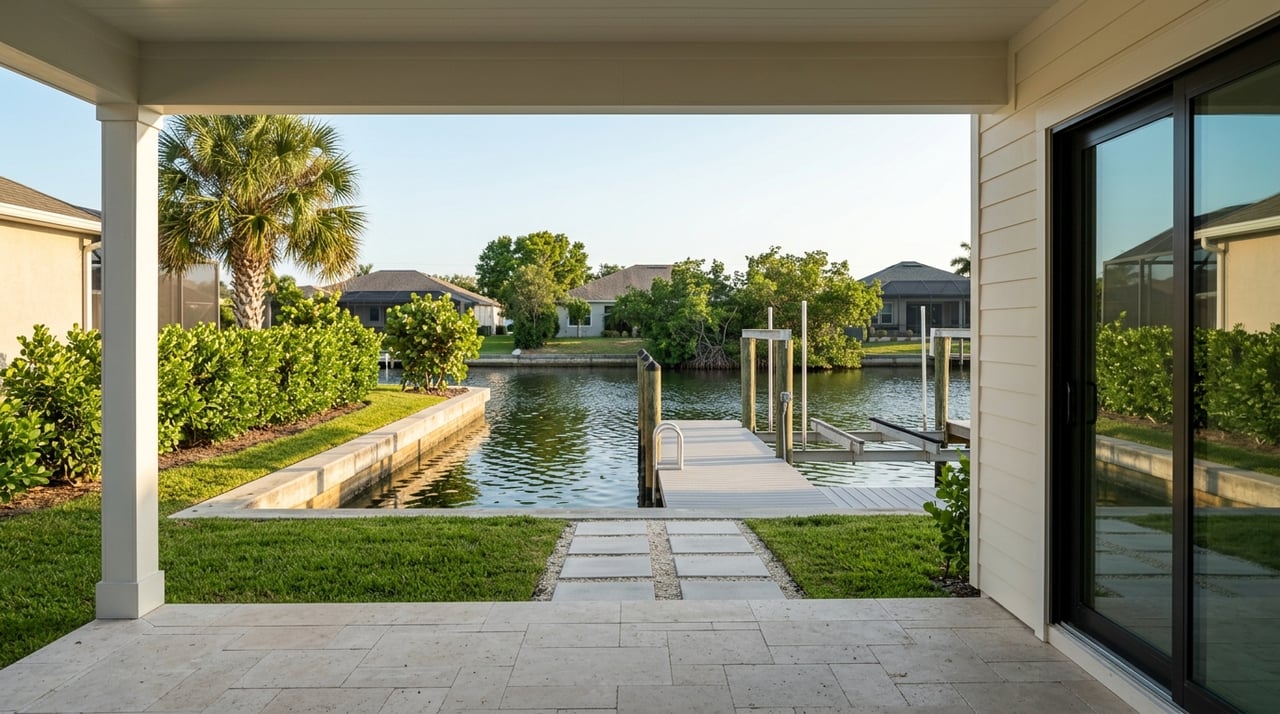
Not all waterfront is the same on Merritt Island, and buyers know it. A direct lagoon-front property, a canal-front home, and a home with indirect or shared water access offer very different experiences.
That difference affects pricing, marketing, and buyer expectations. A canal home may appeal to buyers focused on protected boating access, while a lagoon-front home may stand out for open views. A property with shared or indirect access needs clear, accurate positioning so buyers understand exactly what is being offered.
Be Specific About Water Access
When you market your home, vague terms can create confusion. Instead of simply saying “waterfront,” it helps to describe whether the home sits on the Indian River Lagoon, the Banana River, a canal, or offers another type of access.
That precision matters because a dock’s value is tied to usable access, not just proximity to water. In parts of the Merritt Island National Wildlife Refuge, motorized vessels are not allowed in the posted no-motor zone of the Banana River, and parts of the river system also include manatee speed zones. Buyers want to understand not only if the home touches water, but also what that water access means day to day.
Prepare Documents Before You List
Waterfront buyers tend to ask more detailed questions early in the process. If you can answer them quickly and clearly, you build confidence and reduce delays.
One of the smartest steps is gathering your waterfront documentation before your home goes live. This can help your listing feel more complete and make it easier to respond when buyers ask about the dock, seawall, lift, or shoreline improvements.
Collect Dock And Seawall Records
Brevard County’s marine construction permit process shows just how detailed waterfront improvements can be. Permits may involve surveys showing seawalls, docks, piers, piles, boatlifts, waterway width, and related features.
If you have permits, surveys, repair records, or improvement details, organize them early. Buyers often want to know whether waterfront structures are documented, usable, and maintained, especially when the property’s boating lifestyle is a major part of the value.
Assemble Flood Information Early
Flood questions are common with waterfront homes, so it helps to be ready. Brevard County Floodplain Administration is the official FEMA flood map repository for the county and can provide flood-zone information, elevation certificates, and base flood elevation documentation.
Florida also requires a flood disclosure at or before contract execution. Since most standard homeowners policies do not cover flood losses, buyers often want this information early so they can plan with fewer surprises.
Be Ready For Wind-Mitigation Questions
Insurance and storm-readiness are part of the waterfront conversation in Florida. Features such as roof-to-wall clips or straps and shutters may help reduce wind damage, and a wind-mitigation inspection is needed if a buyer wants an insurer to consider possible credits or discounts.
Even if you are not making upgrades before listing, it helps to know what protective features your home has. Clear information can make buyer due diligence feel smoother and more manageable.
Price For Waterfront Reality
One of the biggest mistakes sellers make is pricing a waterfront home like a standard home with a water view. Merritt Island waterfront value is more nuanced than that.
Florida appraisal law considers factors such as location, size, condition, cost, income, and net sale proceeds. Waterfront valuation materials also point to water and land access, shoreline type, erosion, elevation, slope, and pier construction cost as important factors. In short, your price should reflect the actual utility and character of your waterfront, not just the square footage.
Use The Right Comparable Sales
The best comparable sales are not simply the closest homes. They should match your water body, shoreline type, and access as closely as possible.
For example, a canal-front home with protected boating access should not automatically be compared to a lagoon-front property with broad views but different boating utility. Likewise, a home with indirect or shared access is a different product from a home with a private dock and direct frontage.
Highlight What Buyers Value Most
Waterfront buyers often focus on two big things: access to the water and views of the water. Linear feet along the waterfront can also affect value.
That means details such as a private dock, the route to open water, shoreline condition, and the way the home captures the view should shape both pricing and marketing. When those features are documented and clearly presented, buyers can better understand why your home stands apart.
Make Outdoor Living The Star
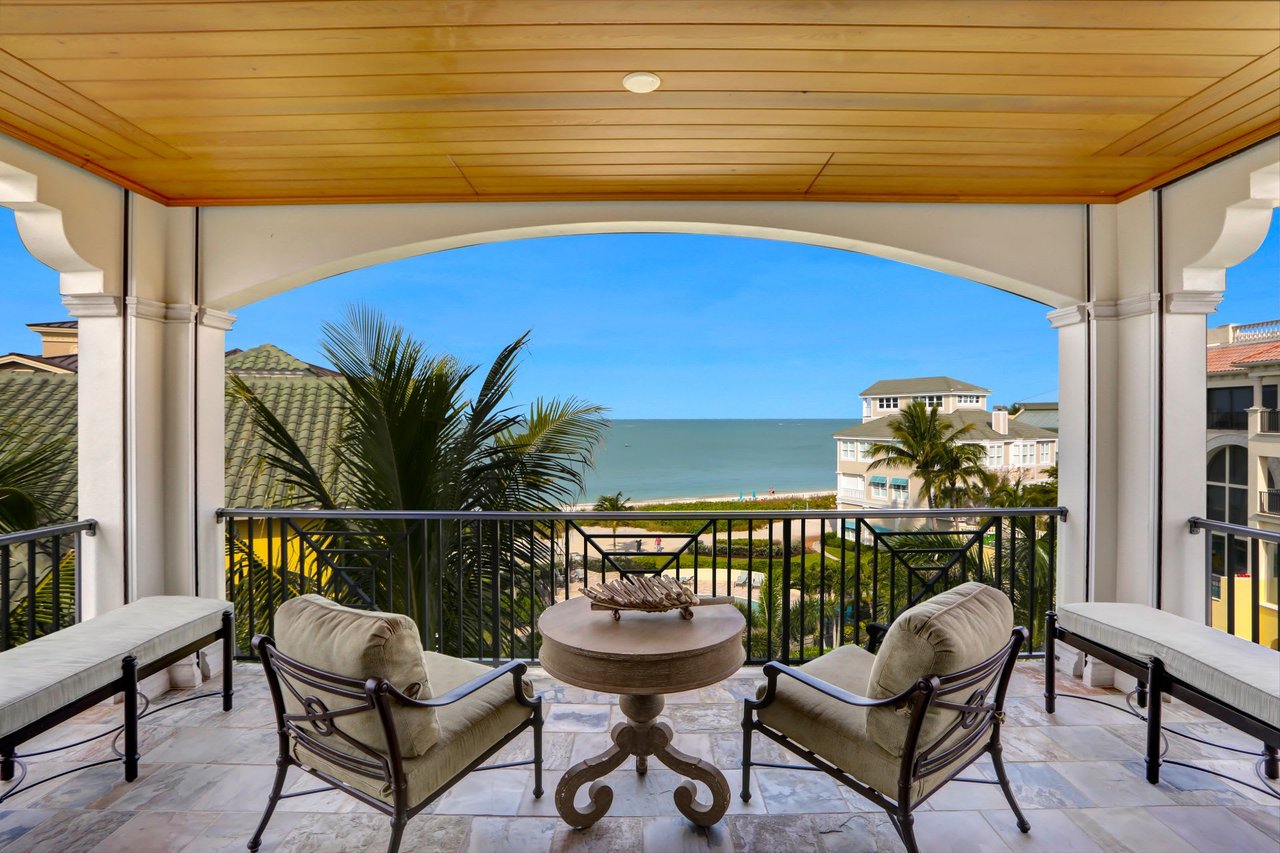
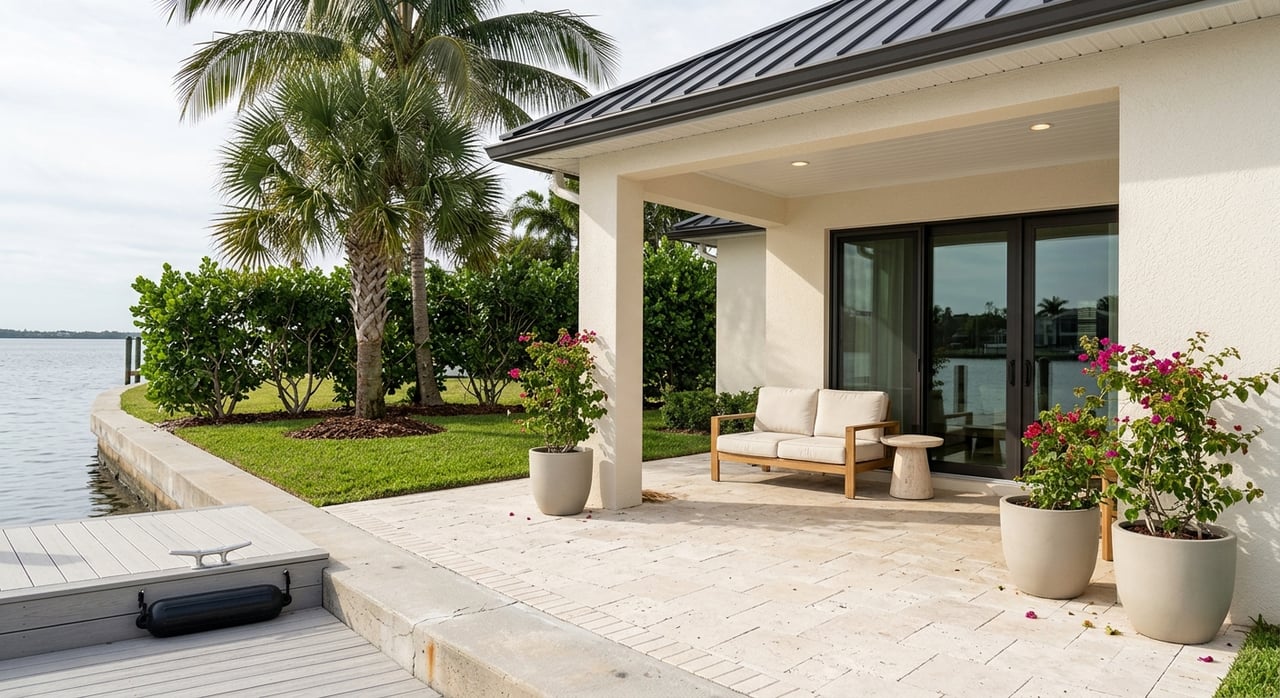
With many Merritt Island waterfront homes, the strongest first impression happens outside. Buyers are often picturing how they will use the dock, patio, Florida room, pavers, landscaping, and water views as part of everyday life.
That is why the best cosmetic updates often focus on the outdoor experience. Clean hardscapes, a tidy dock area, well-kept landscaping, and open sightlines can have a bigger impact than over-decorating indoor spaces.
Stage To Support The View
When preparing your home, the goal is to keep the water as the focal point. Furniture, decor, and layout should help buyers notice the view and outdoor lifestyle, not compete with it.
A simple, uncluttered setup tends to work well. If you have a Florida room, balcony, patio, or entertaining area, show how it functions in real life while keeping the space open and easy to imagine.
Market The Home With Specificity
Waterfront marketing works best when it combines lifestyle with facts. Buyers want to picture sunsets and boating, but they also want practical details they can trust.
That means your listing should clearly explain the type of waterfront, the outdoor living features, and the usable access. General language can miss the mark, especially when buyers are comparing several homes with very different waterfront setups.
Focus On Daily Use
Strong waterfront marketing often answers questions like these:
- What kind of water is behind the home?
- Is there a private dock?
- Is the dock permitted and usable?
- What is the boating route like?
- How does the outdoor space work for relaxing or entertaining?
Those details help buyers picture the home as part of a real waterfront routine. On Merritt Island, nearby public amenities such as Kelly Park East and Intracoastal Waterway Park also help frame the broader boating and river lifestyle in the area.
Plan For Storm Logistics
Waterfront buyers in Merritt Island are often thinking ahead about storm preparation. Sellers should be ready for those conversations.
Brevard County Emergency Management identifies Zone A as including Merritt Island for Atlantic-approaching hurricanes. That makes evacuation planning and storm-readiness part of the practical story of owning a waterfront home here.
This does not mean your listing should sound alarmed. It means buyers appreciate clear, calm information about how the property fits into real coastal living.
Why A Coordinated Selling Plan Matters
Selling a waterfront home often involves more moving parts than a typical sale. Pricing, prep work, records, vendor coordination, and buyer questions all tend to be more detailed.
That is where a structured plan can make a real difference. When you have clear timelines, organized documents, and a marketing approach built around Merritt Island waterfront specifics, you put your home in a stronger position from the start.
For many sellers, that support also reduces stress. If you are balancing repairs, dock questions, insurance conversations, or an out-of-area move, steady guidance helps you stay focused on the next right step instead of every detail at once.
If you are thinking about selling your Merritt Island waterfront home, the best first move is to build a strategy around your exact property, not a generic waterfront label. The right plan starts with accurate pricing, clear presentation, and practical preparation that helps buyers see both the value and the lifestyle. When you are ready, connect with the Beach Life 321 Team for a free home valuation and a tailored selling plan.
FAQs
What makes Merritt Island waterfront homes different from one another?
- Merritt Island waterfront homes can be lagoon-front, canal-front, or have indirect or shared access, and each type offers different views, boating utility, maintenance needs, and buyer appeal.
How should you price a waterfront home in Merritt Island?
- The strongest pricing strategy uses comparable sales with similar water body, shoreline type, and access rather than relying only on square footage or nearby non-matching homes.
What documents should you gather before selling a waterfront home in Merritt Island?
- It helps to gather dock, seawall, lift, survey, permit, flood-zone, elevation, and related property records before listing so you can answer buyer questions more quickly.
Is a flood disclosure required when selling a home in Florida?
- Yes, Florida requires a flood disclosure at or before contract execution.
What features matter most when marketing a Merritt Island waterfront home?
- Buyers often focus on usable water access, water views, dock details, shoreline condition, and outdoor living spaces such as patios, Florida rooms, pavers, and entertaining areas.
Why do storm and evacuation questions come up with Merritt Island waterfront sales?
- Because Merritt Island is included in Brevard County Emergency Management’s Zone A for Atlantic-approaching hurricanes, buyers often want to understand storm-preparation and evacuation logistics as part of coastal ownership.